11-Day Tanzania & Zanzibar
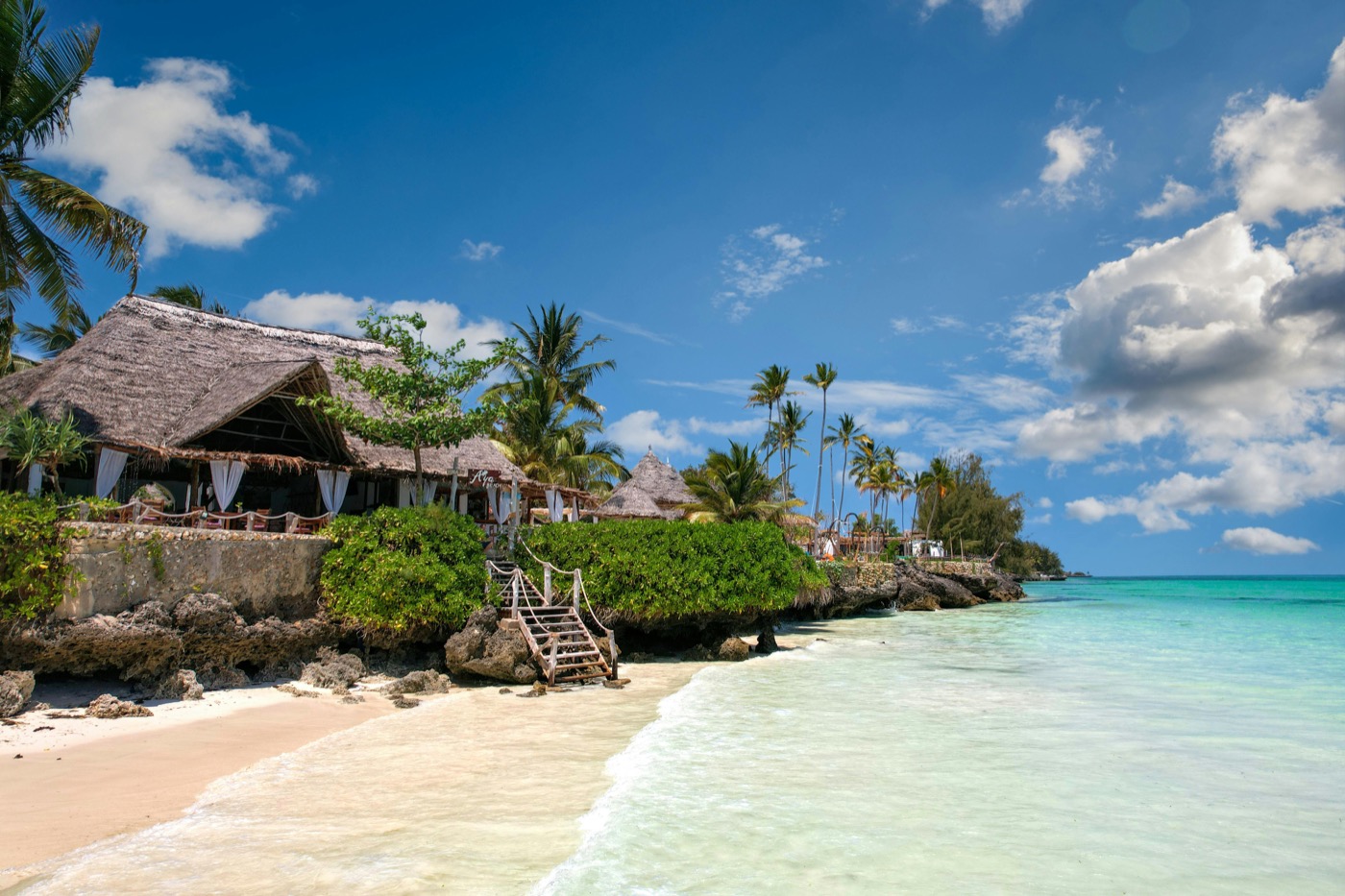
Six nights on safari, four nights at the coast. The northern circuit first, then a flight east to Zanzibar. The combination works because the two halves are genuinely different: bush versus beach, cold mornings and elephant dust versus warm water and coral sand. Most people who do one want the other. This route gives you both without feeling rushed in either.
Safari Overview
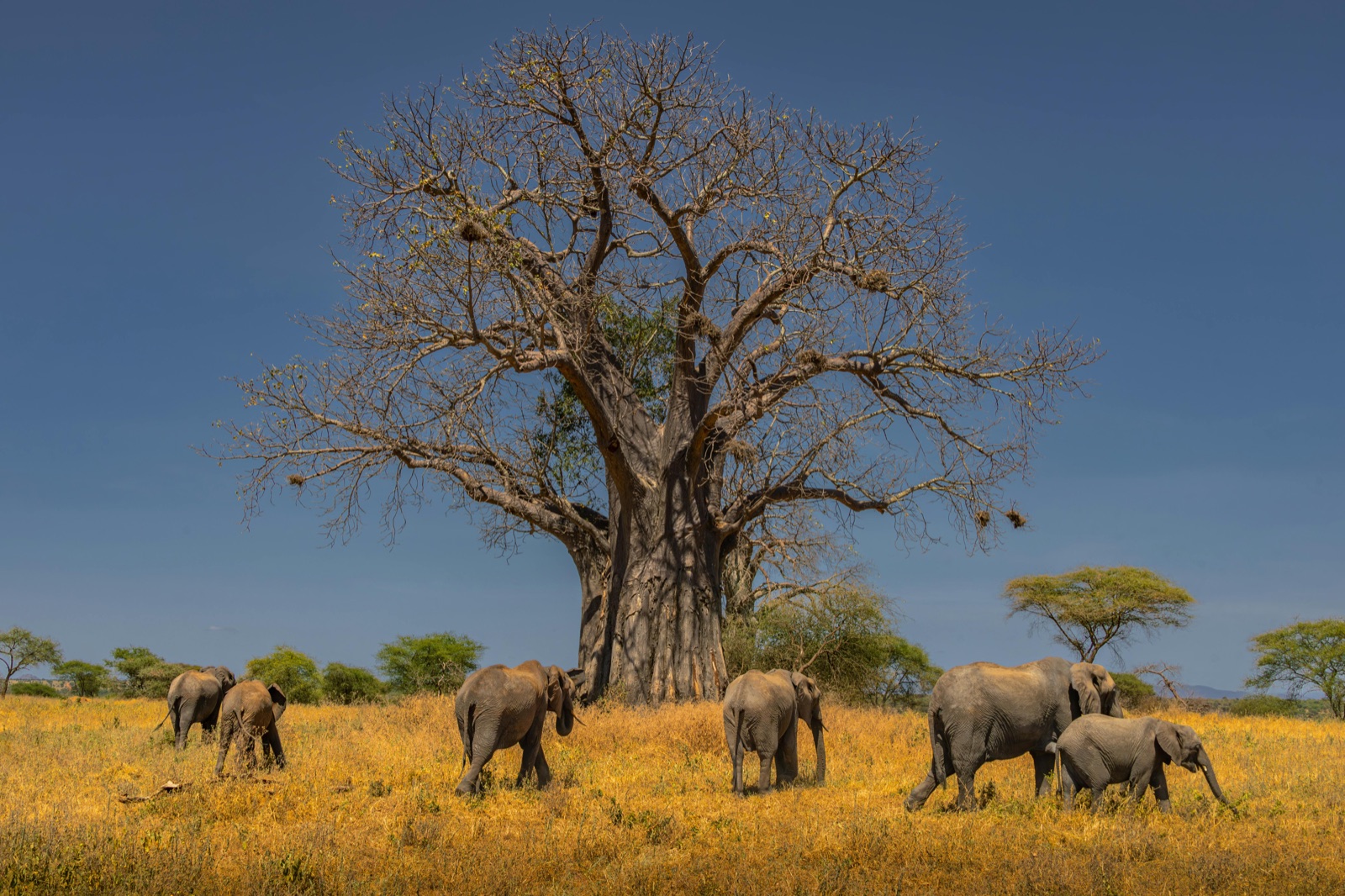
The safari leg covers Tarangire (one night), the central Serengeti (two nights), and two nights at Ngorongoro: one evening on the rim watching the sun set over the caldera, then a full day on the crater floor before driving to Arusha and flying to Zanzibar on Day 8. Four nights on the island, with the coast matched to your travel dates. The safari is tighter than the 8-day classic but every park is properly included: an afternoon in Tarangire for the baobabs and elephants, two Serengeti days for big cats and scale, a full crater day with 120 lions and 50 black rhino on the floor. Zanzibar adds Stone Town, four days at the Indian Ocean, and the transition that most Tanzania trips skip entirely.
Your Itinerary
Activities
Transfer from Kilimanjaro International Airport to your Arusha hotel, about 45 minutes on a clear day. Rest, early dinner, briefing on the route. First game drive is in the morning.
Accommodation
Onsea House or similar (Arusha)
Meals
Dinner
Prices
Green season (April–May)
| Tier | 2 guestsper person | 4 guestsper person | 6 guestsper person |
|---|---|---|---|
Comfort Comfortable tented camps on safari and a beach hotel on Zanzibar, fully private. Tortilis camps, Mawe Karatu, Tembo Kiwengwa (Zanzibar) | $4,040 | $3,255 | $2,990 |
Premium Built safari lodges and an all-inclusive beachfront resort on Zanzibar. Ang'ata Camps, Turaco Ngorongoro, Meliá Zanzibar | $5,285 | $4,495 | $4,230 |
Comfortable tented camps on safari and a beach hotel on Zanzibar, fully private.
Tortilis camps, Mawe Karatu, Tembo Kiwengwa (Zanzibar)
- 2 guests (pp)
- $4,040
- 4 guests (pp)
- $3,255
- 6 guests (pp)
- $2,990
Built safari lodges and an all-inclusive beachfront resort on Zanzibar.
Ang'ata Camps, Turaco Ngorongoro, Meliá Zanzibar
- 2 guests (pp)
- $5,285
- 4 guests (pp)
- $4,495
- 6 guests (pp)
- $4,230
Peak season (June–October)
| Tier | 2 guestsper person | 4 guestsper person | 6 guestsper person |
|---|---|---|---|
Comfort Comfortable tented camps on safari and a beach hotel on Zanzibar, fully private. Tortilis camps, Mawe Karatu, Tembo Kiwengwa (Zanzibar) | $4,610 | $3,825 | $3,560 |
Premium Built safari lodges and an all-inclusive beachfront resort on Zanzibar. Ang'ata Camps, Turaco Ngorongoro, Meliá Zanzibar | $6,700 | $5,910 | $5,645 |
Comfortable tented camps on safari and a beach hotel on Zanzibar, fully private.
Tortilis camps, Mawe Karatu, Tembo Kiwengwa (Zanzibar)
- 2 guests (pp)
- $4,610
- 4 guests (pp)
- $3,825
- 6 guests (pp)
- $3,560
Built safari lodges and an all-inclusive beachfront resort on Zanzibar.
Ang'ata Camps, Turaco Ngorongoro, Meliá Zanzibar
- 2 guests (pp)
- $6,700
- 4 guests (pp)
- $5,910
- 6 guests (pp)
- $5,645
Per person sharing, US dollars. The 'from' price is the Comfort tier with six guests sharing in green season. Includes the Coastal Aviation flight to Zanzibar. Price drops as your group grows because the private vehicle and guide are shared. Built from real lodge rates, our own vehicle, and current park fees, not marked-up reseller prices.
Zanzibar Coasts: Which One and When
Most itineraries say 'Zanzibar' without explaining that the island's coasts behave differently depending on when you travel.
The north coast (Nungwi, Kendwa) works year-round. There is no offshore reef to create a tidal flat, so deep water reaches the beach at all tides. The northeast monsoon (Kaskazi, November through March) produces livelier conditions in open water but does not make the north coast rough for swimming. This is the default coast for June through October travel.
The east coast (Paje, Jambiani, Bwejuu) requires more thought. The tidal range reaches 4.3 metres at Jambiani, and the sea recedes 200 to 500 metres at low tide for six to eight hours per day. Swimming is possible in roughly two-hour windows either side of high tide. Most east coast hotels publish tide charts for this reason. June through October, the southeast trade winds (Kusi) hit the east coast directly and the beach becomes a world-class kitesurf destination. If kitesurfing is not the plan, the east coast in those months is the wrong choice.
Best east coast window: October through March, when the Indian Ocean is calm and snorkelling visibility at Mnemba is clearest. Avoid April (385mm of rain, 18 rain days, about 6 hours of sun per day). December is wetter than most operator websites suggest, around 185mm, but manageable.
We book the right coast based on your travel dates. We do not default to one location.
Mnemba Atoll: What the Reef Access Actually Means
&Beyond holds the long-term lease on Mnemba Island under the Government of Zanzibar. The island has 12 bandas and a 200-metre marine exclusion zone around the shoreline. Non-guests cannot land on the island or enter that zone.
The surrounding reef is different. The Mnemba Atoll reef is publicly accessible under the Mnemba Island Marine Conservation Area (MIMCA) designation. A more restricted inner zone (Mnemba Island Marine Special Area, proclaimed December 2023) operates with a maximum of 8 boats per day, no anchoring, and defined access hours.
Entry fees as of mid-2025: $10 adult for general reef access, $25 adult for the inner Marine Special Area. Fees are collected by MIMCA on the water and are often bundled into day-trip pricing.
The reef holds approximately 600 fish species including Napoleon wrasse, regal angelfish, and blue-spotted rays. Green sea turtles (Chelonia mydas) nest at Mnemba from February through September. Spinner dolphins and Indo-Pacific bottlenose dolphins are regularly encountered on the channel crossing from Matemwe, roughly 3 km and 10 to 20 minutes by boat. Humpback whales pass through July through September. Best visibility is June through October and December through February, up to 20 to 30 metres in optimal conditions.
Day trips from the northeast coast run $60 to $85 per person through local operators. The trip is worth booking through your resort rather than independently to avoid overloaded boats.
Visas and Entry: Updated for 2025
Tanzania eVisa is the required entry method for all nationalities. Visa-on-arrival was suspended on 30 January 2025; multiple foreign ministries (France, Canada, UK) have updated their advisories accordingly. Apply online at visa.immigration.go.tz (not evisa.go.tz, which is no longer the correct address).
Fees: most nationalities (UK, EU, Australia, Canada) pay $50 for a single-entry visa valid 90 days. US citizens pay $100 for a mandatory Multiple Entry visa valid 12 months. They cannot choose the $50 single-entry option. Irish passport holders also pay $100. Apply at least two weeks before departure. Official processing time is 10 working days; in practice this ranges from 3 days to 3 weeks.
Your Tanzania eVisa covers both mainland Tanzania and Zanzibar. You fill in a short second immigration form on the Coastal Aviation flight to Zanzibar. It takes about three minutes.
Zanzibar mandatory insurance: since October 2024, all foreign visitors arriving in Zanzibar must pay $44 for the ZIC (Zanzibar Insurance Certificate) on arrival. This covers 92 days of medical care, repatriation, and emergency evacuation. It is collected at Zanzibar airport or the ferry terminal and is fully enforced. As of June 2025 over $20 million had been collected. It is not optional and it is not included in your safari package price.
Yellow fever vaccination: not required if you are travelling directly from the US, UK, EU, Canada, or Australia. It is required if you have spent 12 or more hours in transit through Nairobi, or if you leave the transit zone at any point during a layover, even briefly. Under 12 hours airside-only at Nairobi: not required. Confirm your specific itinerary with a travel medicine clinic before departure.
What's Included
Included
- All Tarangire, Serengeti, and Ngorongoro park and conservation fees
- Ngorongoro crater vehicle descent fee ($295 per vehicle)
- Private 4x4 Toyota Land Cruiser with pop-up roof for the safari leg
- Professional English-speaking guide, Arusha-based
- 7 nights safari accommodation (1 Arusha, 1 Tarangire, 2 Serengeti, 2 Ngorongoro) + 4 nights Zanzibar
- Full-board on safari (Days 1-7), breakfast on Day 8, breakfast and dinner in Zanzibar (Days 9-11)
- Bottled water and soft drinks on game drives
- All road transfers on the safari circuit
- Coastal Aviation scheduled service Arusha to Zanzibar (one-way per person)
- AMREF Flying Doctors emergency evacuation insurance
Not Included
- International flights
- Tanzania eVisa (US citizens: $100; most other nationalities: $50; apply at visa.immigration.go.tz)
- Zanzibar mandatory ZIC insurance ($44 per person, collected on arrival)
- Travel insurance (required)
- Guide gratuity (suggested $25 per day for 6 safari days)
- Lodge staff gratuity (suggested $5-7 per day)
- Hot air balloon safari ($599 per person, optional, see Day 5)
- Mnemba reef entry fees ($10-$25 per person)
- Zanzibar snorkelling excursions and optional activities
- Alcoholic beverages
- Personal expenses
Common Questions
How many days do you need for Tanzania and Zanzibar?
Eleven days covers the combination well: six safari days across three parks plus four nights at the coast. You do not feel rushed in either half. If your priority is the Serengeti specifically, the 8-day classic safari plus a four-night Zanzibar extension gives you more time in the bush. Fourteen days total is the version where nothing feels tight. Anything under nine days means choosing between a proper safari and a proper beach stay.
Which coast of Zanzibar will we stay on?
We book the coast that matches your travel dates. The north coast (Nungwi, Kendwa) has no offshore reef barrier, so deep water reaches the beach regardless of tide. Swimming is viable year-round, and the northeast monsoon from November through March does not create rough conditions on this coast. The east coast (Paje, Jambiani) is a different situation. The spring tidal range at Jambiani reaches 4.3 metres, and the sea recedes 200 to 500 metres at low tide for roughly six to eight hours per day. Swimming is viable in about two-hour windows either side of high tide. June through October, southeast trade winds turn the east coast into a world-class kitesurf destination and a poor beach for casual swimming. We put June-to-October travellers on the north coast by default unless kitesurfing is the point.
Is the safari leg rushed at six nights?
Compared to the 8-day classic, Tarangire is one afternoon rather than two days, and the Serengeti is two full days rather than three. Every park is covered properly: you see elephants in Tarangire, big cats in the Seronera Valley, and a full crater day at Ngorongoro with 120 lions and 50 black rhino in 260 square kilometres. What you lose is the third Serengeti morning when the routine settles and you stop counting. If the Serengeti is the priority, the 8-day classic is the better route. If the combination of safari and beach matters equally, this itinerary is the right balance.
How do we get from the safari to Zanzibar?
Coastal Aviation runs a scheduled service from Arusha Airport (ARK) departing at 12:45 and arriving Zanzibar at approximately 14:20. The flight time is about 1 hour 35 minutes, though the aircraft typically makes intermediate stops at Serengeti or Manyara airstrips on the circuit. This is a scheduled service, not a nonstop flight. On this itinerary, you leave the Ngorongoro rim at 8:00am, arrive in Arusha by 11:00am, and are at the airport well before the 12:45 departure. A second departure at 10:30am operates July through September only.
Do we need a separate visa for Zanzibar?
No. Zanzibar is part of Tanzania. Your Tanzania eVisa covers the island. Apply at visa.immigration.go.tz before departure (not evisa.go.tz, which is no longer the correct address). Processing is officially 10 working days but in practice ranges from 3 days to 3 weeks. Apply at least two weeks before travel. Visa-on-arrival was suspended on 30 January 2025. The eVisa is now the required method for all nationalities. Fees: $50 for most nationalities (UK, EU, Australia, Canada). US citizens pay $100 for a mandatory Multiple Entry visa. Irish passport holders also pay $100.
What is the Zanzibar mandatory insurance?
Since October 2024, all foreign visitors entering Zanzibar must pay $44 for ZIC (Zanzibar Insurance Certificate) insurance on arrival. It provides 92 days of medical, repatriation, and evacuation coverage. The fee is collected at Zanzibar airport or the ferry terminal and is fully enforced. Most safari operator websites do not mention this. It is not included in our package price.
Is Zanzibar worth adding after a Tanzania safari?
Yes. The contrast is the point. Safari mornings start at 6:00am, cold, in a Land Cruiser. Zanzibar mornings start when you wake up, warm, with the Indian Ocean 30 metres from your room. They are different enough that one genuinely resets you from the other. The flight connection from Arusha is straightforward. One Tanzania eVisa covers both. The coast adds a genuinely different second act to the trip rather than just extending the safari.
How does this compare to the honeymoon safari?
The honeymoon safari has one more safari night (seven versus six) and includes couples-specific additions: champagne on arrival at each lodge, private sundowners, a crater-floor picnic at Ngorongoro, and a sunset dhow cruise in Zanzibar. It is priced from $5,245 per person for a couple versus $4,040 per person for this route. The 11-day Tanzania and Zanzibar itinerary is the same core circuit without the honeymoon-specific setup. Both routes are entirely private.
You May Also Like